





FEC Equipment for Scalable, Confident Procurement
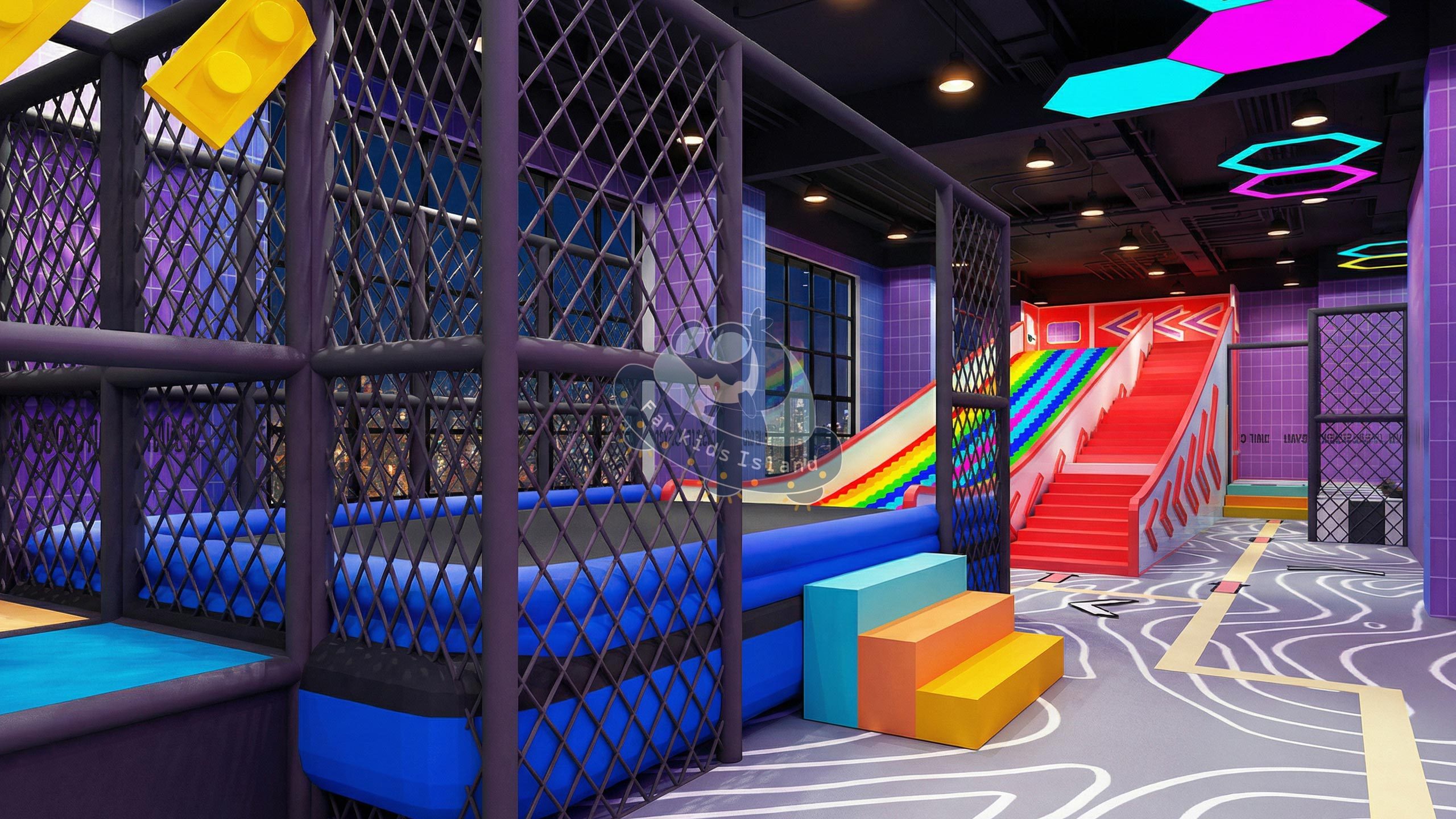
FEC equipment supports organizations that need dependable tools, consistent workflows, and a purchasing process aligned with real operational demands. Whether the requirement covers a new installation, a facility upgrade, replacement units, or a coordinated rollout across multiple locations, the right equipment selection can improve day-to-day efficiency while reducing avoidable procurement risk. Buyers should evaluate each option according to its intended application, operating environment, compatibility requirements, service expectations, and planned quantity rather than relying on unit price alone.
Choose FEC Equipment with the Application in Mind
A successful equipment purchase begins with a clear understanding of how the products will be used. Different sites may have different capacity requirements, space limitations, usage patterns, infrastructure conditions, or staff preferences. Defining these factors early makes it easier to identify suitable configurations and avoid ordering products that require costly modifications after delivery.
For professional buyers, a practical evaluation typically includes:
- Intended use and expected operating frequency
- Required dimensions, capacity, connectivity, or installation conditions
- Compatibility with existing systems, facilities, and operating procedures
- Cleaning, maintenance, replacement, and service requirements
- Packaging, delivery, storage, and deployment considerations
This application-led approach is especially important when equipment will be used by multiple teams or deployed across several sites. Standardizing suitable models can simplify training, maintenance, spare-part planning, and future replenishment. At the same time, buyers should avoid unnecessary standardization when site conditions require a different configuration. A carefully matched product mix often delivers better long-term value than selecting the lowest-cost option across every location.
Plan a More Reliable Bulk Purchasing Strategy
Large-volume procurement is not simply a matter of multiplying a listed price by the number of units required. Freight, packaging, configuration, commissioning, documentation, payment terms, lead time, and after-sales support may all influence the final commercial outcome. Requesting a quotation based on a complete purchasing brief gives suppliers the information needed to propose a more accurate and useful package.
When preparing an inquiry, include the estimated quantity, delivery destinations, preferred schedule, technical requirements, and any installation or customization needs. If the order will be released in stages, explain the anticipated schedule so the supplier can assess production planning and inventory availability. Buyers comparing fec equipment bulk order pricing should also ask whether volume adjustments apply consistently across all line items and whether logistics costs are calculated per shipment, per site, or for the complete order.
A responsible comparison should consider total cost of ownership, including:
- Initial purchase price and volume-based commercial terms
- Transportation, insurance, duties, and site delivery charges
- Installation, setup, training, or commissioning services where applicable
- Routine maintenance, consumables, replacement parts, and technical support
- Expected service life and the cost of future expansion
This broader view helps procurement teams explain the business case internally and creates a clearer basis for supplier negotiations. It also reduces the likelihood that an apparently attractive quotation will generate unplanned costs later in the project.
Build Confidence Before You Place the Order
Good procurement depends on transparent communication. Before confirming an order, buyers should request current specifications, product documentation, warranty conditions, inspection expectations, and a written statement of what is included in the quotation. If the equipment requires integration with existing infrastructure, confirm the responsibilities of both parties and identify any information the supplier needs before production or dispatch.
For repeat purchasers, maintaining an internal product record can make future orders faster and more consistent. Record approved models, key dimensions, technical requirements, delivery preferences, inspection procedures, and supplier contacts. This documentation supports continuity when purchasing responsibilities change and helps different locations follow the same quality standard.
The strongest category choice is therefore not defined by a single feature or headline price. It is the option that fits the application, can be supplied at the required scale, is supported by clear documentation, and remains commercially sensible throughout its operating life. By combining technical fit with disciplined purchasing preparation, organizations can approach FEC equipment sourcing with greater clarity and confidence.
fec equipment bulk order pricing Display


FAQ
What information is needed for an FEC equipment bulk quotation?
A useful quotation request should include the required quantity, product application, technical or dimensional requirements, delivery destinations, preferred schedule, installation or customization needs, and any documentation or compliance expectations. Providing these details helps suppliers assess availability, logistics, and the correct commercial structure.
How is FEC equipment bulk order pricing usually evaluated?
Volume pricing is typically assessed alongside product configuration, order quantity, shipping method, delivery locations, packaging, payment terms, lead time, and support requirements. Buyers should compare the complete delivered cost rather than reviewing the unit price in isolation.
Can a large order include different FEC equipment configurations?
It may be possible to combine configurations, but the commercial terms and production requirements can vary by model or specification. Buyers should provide a line-by-line quantity schedule and ask the supplier to confirm availability, compatibility, minimum quantities, and pricing for each configuration.
What should buyers verify before approving an equipment order?
Before approval, verify the final specifications, quantities, included services, warranty terms, delivery responsibilities, inspection requirements, payment schedule, and expected lead time. If the equipment must work with existing systems or facilities, confirm compatibility and clarify installation responsibilities in writing.
How can organizations reduce risk when ordering equipment for multiple locations?
Organizations can reduce risk by standardizing approved specifications where practical, documenting site requirements, requesting a coordinated delivery plan, confirming packaging and labeling needs, and establishing one clear process for inspection and acceptance. A phased rollout or sample approval may also be useful when the deployment is complex.


Trusted Playground Solution Provider
Professional one-stop indoor playground solutions with a strong focus on design, safety, and eco-friendly materials.
Our Location
No. 106, No. 27, Jiejin 2nd Road, Shiqiao Street, Panyu District, Guangzhou, China.
Say Hello
Social Links
Whatsapp: +8613632109166
Far kids island
Far kids island
Far kids island
TONGSHUO
Guo Wenshu