
Which Materials Are Best for Trampoline Park Equipment?
Social Links
1) What specific steel grade, galvanizing and coating specs should I require for commercial trampoline frames to avoid corrosion and structural failures?
For indoor trampoline park equipment, insist on structural carbon steel (commonly S235/SS400 class) for frames and uprights because of its predictable mechanical properties and weldability. Corrosion resistance should not rely solely on paint. Industry best practice is a two-step protective system: hot-dip galvanizing per recognized standards (e.g., ISO 1461 or ASTM A123 for hot-dip zinc coatings) followed by a polyester powder coat top layer to protect cut edges and improve aesthetics.
Practical specs to request in contracts:
- Hot-dip galvanizing: continuous coverage including inside welded joints. Typical zinc layer ranges from 40–100 µm depending on part thickness—ask the supplier to report coating mass (g/m2) or micron thickness on sample coupons.
- Powder coat: polyester or TGIC polyester with thickness in the 60–120 µm range and UV-stable pigments for color retention.
- Weld quality: full-penetration welds on load-bearing joints, post-galvanize touch-up on welds, and nondestructive visual inspection.
Why this matters: indoor environments still have humidity, cleaning chemicals, and the occasional condensation from HVAC. Proper galvanizing plus powder coat dramatically reduces the risk of rust at welds and bolted connections. Require mill test certificates (MTC) for steel chemistry and galvanizing data, and insist on photographic documentation of finish before shipment.
2) Spring vs. springless (bungee/webbing) systems: which is better for energy return, maintenance, and safety in a busy commercial park?
Both systems are used in commercial settings; the choice should be driven by desired bounce characteristics, maintenance capacity, and safety strategy.
Spring (steel coil) systems:
- Performance: higher peak energy return and a familiar trampoline “feel.”
- Components: high-carbon music wire springs (commonly spec’d to ASTM A228 in the industry) that are heat-treated for fatigue resistance.
- Maintenance: springs are wear items—inspect weekly for corrosion, elongation, or broken coils. In a high-traffic park, expect partial replacement cycles every 2–5 years depending on usage and inspection outcomes.
- Safety: springs must be fully covered by impact-absorbing padding that meets flame and durability standards.
Springless (elastic bungee/webbing) systems:
- Performance: smoother, lower-frequency bounce with less pinch risk at the edge. Ideal for family areas and kids’ zones.
- Maintenance: fewer metal fatigue failures; however, elastic elements degrade by UV, ozone and repeated creep—expect inspection intervals and replacements on a schedule similar to springs in high-use settings.
- Safety: often easier to pad because there are no exposed coils; reduced pinch and cut risks.
Recommendation: For flagship big-air areas where peak performance and player satisfaction are critical, many operators choose sprung systems with a robust preventive maintenance program. For foam pits, kids’ zones, or low-maintenance installations, springless designs reduce pinch points and simplify padding. Whichever you choose, include spare parts (10–20% of wearable parts) in the initial purchase and define inspection intervals in the supplier contract.
3) Which jumping-mat materials (Permatron polypropylene, PVC-coated nylon, or other textiles) give the best life, abrasion resistance and safety for indoor parks?
Jumping mats differ by weave, coating, and seam construction. The three common choices:
- Woven polypropylene (e.g., Permatron or similar UV-stabilized polypropylene): open weave with good air permeability that reduces drag and provides consistent rebound. These are abrasion resistant and repairable; widely used in both indoor and outdoor trampolines.
- PVC-coated polyester/nylon: heavier, highly abrasion-resistant and easier to clean. The PVC coating increases surface friction and can change rebound characteristics; good for high-wear areas.
- High-tenacity nylon variants: high tensile strength but can be less UV-stable and more expensive.
Buyers should specify:
- Denier, tensile and tear strength metrics or supplier test reports rather than brand names.
- Reinforcement at spring/mount points with bar tacking or multi-layered panels.
- UV stabilizers (even indoors, this protects during occasional sun exposure and accelerates aging resistance) and antifungal additives for humid climates.
Life expectancy depends on traffic and loading: well-constructed mats in commercial parks typically last 5–10 years with routine inspections and seam repairs. Demand manufacturer test data on dynamic fatigue, abrasion (e.g., Taber test), and maximum safe user loads.
4) For foam pits, which pit fill and foam block types minimize dust, microbial growth, and replacement frequency?
Common foam pit materials are shredded polyurethane foam and bonded/solid foam blocks (cross-linked polyethylene (EPE) or closed-cell polyethylene). They differ strongly in hygiene, maintenance and lifecycle cost.
Shredded polyurethane foam:
- Pros: inexpensive, conforms well, comfortable landings.
- Cons: produces fine dust over time, traps sweat and odors, and may support microbial growth; requires frequent replacement or mechanical sifting systems to remove dust and replenish material.
Bonded solid blocks (EPE / XLPE blocks):
- Pros: low dust, stable dimensions, easier to sanitize and replace individual cubes, longer service life. Many operators now prefer EPE blocks for indoor parks due to markedly reduced airborne particulates.
- Cons: higher initial cost and larger shipping volume.
Best practice:
- Specify closed-cell or cross-linked polyethylene blocks for commercial indoor usage to minimize dust and VOC emissions.
- Request CertiPUR-US or equivalent emissions testing for foam if polyurethane products are used.
- Use antimicrobial, flame-retardant vinyl covers for pit walls and a maintenance plan that includes regular mechanical sifting for shredded fill (if used) or scheduled deep-clean and cube replacement cycles for solid blocks.
5) How can I ensure padding covers and foam meet fire-retardant and low-VOC requirements without exposing customers to toxic chemicals?
Ask suppliers for test certificates—not just assertions. Key points:
- Fire performance: request test reports to NFPA 701 (United States) or local building-code equivalent for textile and vinyl flame spread. For upholstered foam, check compliance with local furniture flammability codes (e.g., California TB117-2013 considerations) or the country’s mandatory codes.
- Antimicrobial and low-VOC: ask for ISO 22196 (antibacterial activity on plastics) or documented antimicrobial treatment and CertiPUR-US (for polyurethane foam emissions) where applicable. Prefer phthalate-free PVC and low-VOC adhesive systems.
- MSDS and third-party lab reports: require Material Safety Data Sheets and independent lab tests for volatile organic compounds (VOCs), PAHs, and flame retardant chemical content.
Operational steps:
- Specify closed-cell foam pads with a minimum density suitable for impact attenuation (supplier to provide impact attenuation testing data).
- Choose vinyl covers with reinforced seams, anti-microbial coating, and flame-retardant treatment that are also PVC-phthalate-free if local regulations favor that.
- Require suppliers to provide warranties and lab test reports as contract deliverables.
6) Which certifications, supplier contract clauses, inspection intervals and spare-parts policies should I insist on when buying commercial trampoline park equipment?
Certifications and documents to require:
- Compliance to ASTM F2970 (trampoline park design and safety guidance) where applicable and any local standards or building-code approvals.
- Manufacturer quality system: ISO 9001 certification is a strong indicator of consistent production processes.
- CE marking and EN standards for the European market where applicable, plus local electrical/lighting safety marks (UL/CE) for installed electronics.
Contract clauses and KPIs to include:
- Detailed bill of materials and part numbers for all wearable items (mats, springs, pads, foam blocks).
- Spare parts provision: include an initial spare parts kit (recommended 10–20% for wear parts) and guaranteed lead times (e.g., 30–60 days) for replenishment.
- Warranty: clear coverage for structural frames, coatings, and wear items with defined exclusions and repair/replacement turnarounds.
- Installation and training: supplier to provide on-site installation supervision, staff training on daily inspections and maintenance, and an operations manual.
- Third-party testing: require independent impact attenuation and structural load testing within 6–12 months after installation and at agreed intervals.
Inspection intervals (industry best practice):
- Daily: visual inspection of mats, padding, and general housekeeping.
- Weekly: check anchor bolts, visible springs/webbing condition, and seam integrity.
- Monthly: detailed inspection of frames, welds, and pad closures.
- Annual: professional structural inspection and independent testing of impact attenuation and safety systems.
These requirements protect operators by shifting risk to the supplier and making maintenance predictable.
Conclusion
Investing in properly specified commercial trampoline park equipment—galvanized and powder-coated structural frames, proven spring or springless systems with documented fatigue testing, high-quality jumping mats with reinforced seams, closed-cell foam pit blocks, and fire- and antimicrobial-tested padding—reduces downtime, lowers total cost of ownership, and helps ensure compliance with ASTM and local safety codes. Prioritize suppliers who provide ISO 9001 quality evidence, third-party test reports (for flame, VOCs, and dynamic loading), spare parts packages and a documented inspection/training program. These choices improve guest safety, extend equipment life, and simplify insurance and regulatory approvals.
For a tailored quote, installation support, and access to verified third-party test reports, contact us at www.farkidsisland.com or sulla.tongshuo@gmail.com.

The Ultimate Comparison Guide: Choosing the Best Global Manufacturers for Custom Indoor Play Systems (2026)

Indoor Playground Equipment for Sale: The Ultimate 2026 Catalog [With Price Comparisons]

How to reduce the risk of Indoor playground?
The Ultimate Guide to Selecting and Planning Commercial Indoor Playground Equipment
About Far Kids IsIand
Who is Far Kids Island?
Far Kids Island is a professional playground solution provider specializing in indoor playgrounds, soft play equipment, and customized play environments for commercial use worldwide.
What types of playground projects do you specialize in?
We focus on indoor playgrounds, family entertainment centers (FECs), schools & kindergartens, shopping malls, community spaces, and themed commercial play projects.
Do you offer customized playground designs?
Yes. Every project is customized based on space size, target age groups, budget, theme preference, and local safety regulations.
Do you have your own design and manufacturing teams?
Do you have your own design and manufacturing teams?
Which countries or markets do you serve?
Which countries or markets do you serve?
Top Project Picks for Your Next Success

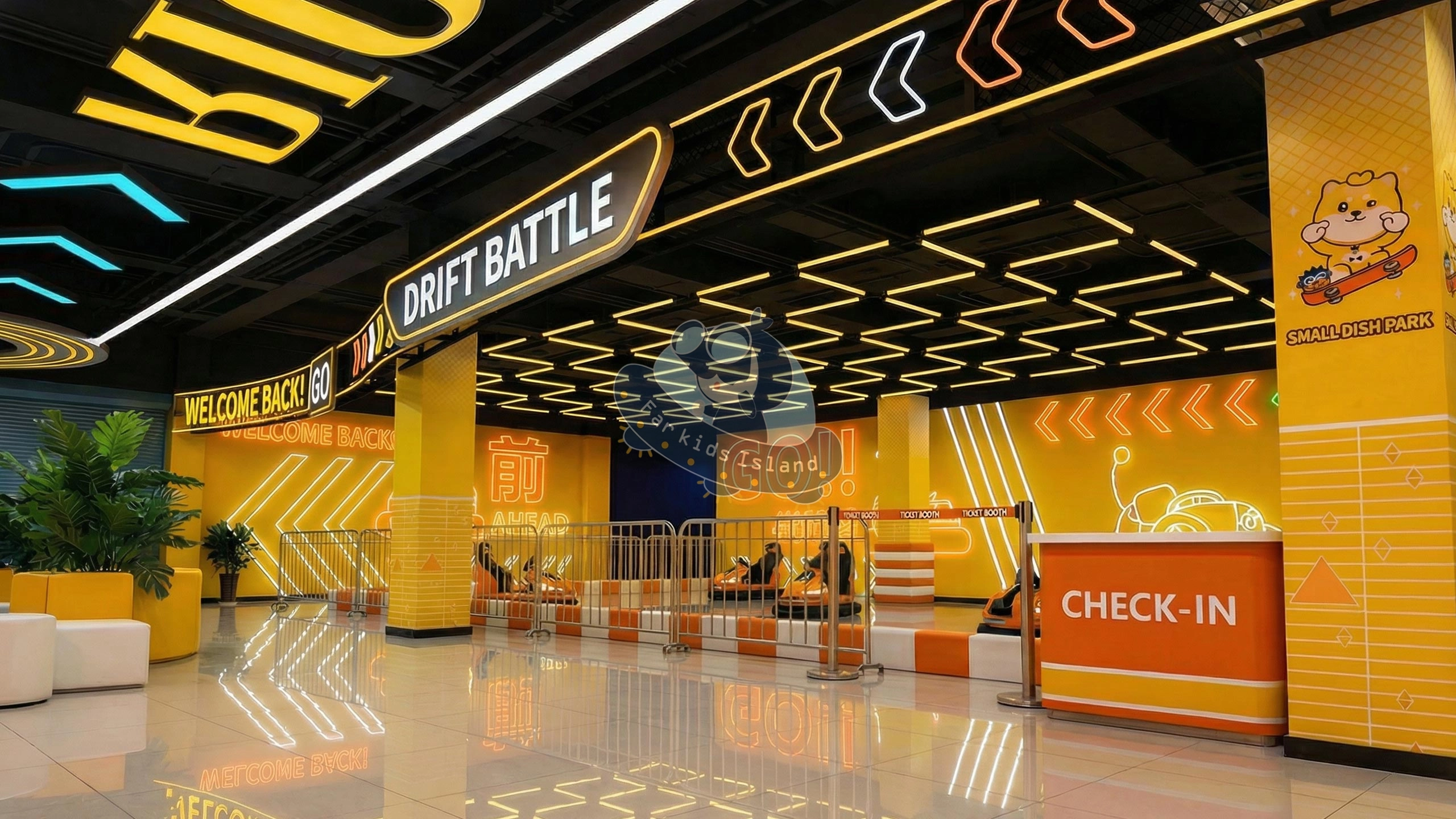
Have Questions or Need More Information?
Ready to Dive Deeper into This Topic?
Explore Detailed Insights and Start Applying Knowledge to Your Project
We’re here to help! Fill out the form below to reach out to our team. Whether you have a question about the article or need assistance with your project, we’re happy to assist you.
Trusted Playground Solution Provider
Professional one-stop indoor playground solutions with a strong focus on design, safety, and eco-friendly materials.
Our Location
No. 106, No. 27, Jiejin 2nd Road, Shiqiao Street, Panyu District, Guangzhou, China.
Say Hello
Social Links
Whatsapp: +8613632109166
TongShuo Toys
sullaguo
tongshuoplay
TONGSHUO
tongshuo_toys