

What Regulations Affect Trampoline Park Equipment Installation?
Social Links
1. What structural engineering checks are required before installing a large trampoline court on an existing mezzanine?
Before you install commercial trampoline park equipment on an existing mezzanine, you must confirm the mezzanine can resist static and dynamic loads from people and equipment. Common online advice is vague—here’s a practical checklist to present to a licensed structural engineer:
- Obtain as-built drawings and existing structural calculations for beams, columns, and slab thickness. If originals are unavailable, plan for a structural survey (non-destructive testing, core sample, or a probing inspection).
- Calculate imposed live loads using local code guidance and expected peak occupancy. For trampoline courts, assume higher-than-normal dynamic loading (concurrent jumpers, crowding at edges) rather than ordinary office live-load tables.
- Evaluate concentrated loads from frames, anchor points, and equipment foundations. Frame anchor loads can be significantly higher than distributed live loads — specify worst-case pull-out/shear forces to the engineer.
- Check floor vibration and deflection criteria. Even if the slab meets strength, excessive vibration can undermine mats and connections and create safety perceptions.
- Confirm required concrete strength and embedment depth for mechanical anchors or chemical anchors. Many installers underestimate upward and lateral loads from springs or springless designs.
- Verify lateral load paths and bracing for high walls of enclosures or netted partitions; wind or crowd forces transmitted to the structure should be assessed.
Actionable takeaway: do not proceed without a stamped structural assessment and written acceptance of anchor locations and loads. The engineer’s scope should explicitly reference trampoline court loads (dynamic occupant scenarios). Keep the report on-file for building inspectors and insurers.
2. How can I verify foam pits and airbags meet impact attenuation and fire-safety when suppliers provide only generic datasheets?
Many suppliers publish non-specific “fire-retardant” or “meets safety” claims. Ask for and verify these exact documents before purchase:
- Third-party impact attenuation test reports: request ASTM F1292 (impact attenuation of surfacing) or EN 1177 test certificates for the exact foam formulation and pit construction you’ll buy. The report should include test dates, lab name (e.g., SGS, Intertek, TÜV), and sample IDs.
- Fire performance: ask for lab results such as ASTM E84 (surface burning characteristics) or EN 13501-1 classification (reaction to fire). Foam blocks and covers should show accepted reaction-to-fire ratings; many insurers require this documentation.
- Material specification: density (kg/m3), cell structure (open vs closed), and ILD (indentation load deflection) values affect impact performance and degradation rate. Ensure the supplier provides these numeric specs.
- VOC and chemical safety: request material safety data sheets (MSDS) and VOC emission testing where required—indoor air quality regulations can vary.
- Installation details: pit depth, layering, pit board/retaining design, ventilation/drainage for airbag systems. A pit built incorrectly (insufficient depth or unsupported edges) can negate certified performance.
If you can’t obtain recent third-party reports for the specific product/batch, commission a spot test before full purchase. Retain all certificates for your safety file, and present them to your insurer and local authority during inspections.
3. What realistic warranty and spare-parts expectations should I set when buying commercial-grade trampoline mats, frames, and safety netting?
Buyer confusion and later disputes often stem from unclear warranty terms. Expect and negotiate the following baseline terms with reputable suppliers:
- Structural frames: a minimum of 3–5 years for frame integrity (welds, main structural members). Longer structural warranties (7–10 years) may be available with third-party coatings or galvanizing.
- Masts, anchors, and fasteners: 1–3 years. Fasteners are wear items; specify galvanized/stainless options for humid environments.
- Mats and jump surfaces: 1–3 years for manufacturing defects; expect wear depending on usage. Clarify what constitutes “normal wear” vs. defect.
- Padding and foam blocks: often shorter warranties (6–24 months) because of compressive wear. Ask for replacement pricing and availability for common sizes.
- Safety netting and padding covers: UV- and abrasion-resistant materials should have 2–3 year limited warranties.
- Spare parts and lifecycle support: insist the vendor guarantees spare-part availability for at least 7 years and provides lead times. Request a parts list with item codes.
- Service and installation warranty: require a workmanship warranty for installation (often 12 months) and defined criteria for repairs vs. replacements.
Important contract tips: require specification of excluded damage (misuse, improper maintenance, unauthorized modifications). Consider a service agreement for inspections and preventative maintenance to keep warranties valid.
4. How do I ensure padding, foam, and surface materials don’t void insurance or violate local fire codes?
Insurance underwriters and local fire marshals often decline coverage or require removal when materials lack proper certification. Steps to avoid problems:
- Require fire test evidence (ASTM E84, EN 13501-1) for all exposed foam covers and large foam installations. Some jurisdictions treat large foam pits as a special fire risk and require higher classification or additional detection/suppression measures.
- Use inherently fire-retardant covers and barriers, especially around electrical panels, HVAC returns, and egress routes. Keep foam away from mechanical rooms and electrical closets.
- Maintain clear documentation: a binder with material certificates, test reports, installation photos, and maintenance logs. Provide this to insurers during policy placement or renewal.
- Consult your insurer’s technical representative before final selection. Some policies require specific material ratings or additional High Qualitys for high-foam environments.
- During plan review with the AHJ (Authority Having Jurisdiction), present product certificates and installation methods. AHJs may impose local requirements (e.g., sprinklers, flame barriers).
If your supplier cannot produce recognized fire and performance certificates, consider alternate certified materials or upgrading to non-combustible barriers to compartmentalize foam volumes.
5. Which inspection and maintenance records will regulators and insurers actually expect for trampoline park equipment?
General statements about “regular inspections” leave operators exposed. Create documented, auditable programs that meet both regulator and insurer expectations:
- Daily (pre-opening) checklist: visual checks of mats, netting, padding, anchor points, and surfacing; verify signage and staff presence at supervision stations; record any closures or restrictions.
- Weekly: more detailed component checks — stitching on mats, pad cover integrity, zipper/lacing checks, spring/suspension integrity, anchor torque verification where applicable.
- Monthly: operational checks (safety devices, net tension, pit depths, foam block condition), update incident logs and first-aid supplies.
- Quarterly or semi-annual: mechanical inspections, frame bolt torque checks, and replacement of consumables as per manufacturer guidance.
- Annual: third-party structural inspection and certified testing of select components (impact attenuation tests, fire-retardant re-testing if requested) and full audit of maintenance records.
- Incident/accident reporting: document all incidents with date/time, staff names, statements, witness accounts, photos, and remediation actions.
Keep logs searchable and backed up (digital preferred). Insurers and AHJs commonly ask for these records after an incident; missing or incomplete records can jeopardize claims or permits.
6. What cost-effective retrofits will bring an older trampoline park closer to current safety standards without full replacement?
Complete replacement is expensive. Prioritize high-risk items and low-cost, high-impact retrofits:
- Replace worn mats and border padding first. New commercial-grade mats improve energy absorption and reduce injury rates.
- Upgrade perimeter netting and vertical barrier systems to reinforced, UV-stable fabrics with continuous attachment hardware. This improves containment without massive structural changes.
- Convert spring-based borders to modern springless or safer suspension systems where feasible. This reduces pinch-point injuries and maintenance.
- Add or reconfigure sight-lines and staff platforms to improve supervision. Often a procedural fix (staffing and lines of sight) reduces incidents more than new hardware.
- Improve foam pit construction by increasing pit depth or switching from large foam cubes to a layered high-performance foam system that meets recent impact attenuation tests.
- Install non-slip, shock-absorbing walkway surfacing in high-traffic zones to reduce secondary injuries.
Before any retrofit, obtain a risk-prioritization plan from an accredited safety consultant and get written confirmation from suppliers that retrofits won’t void remaining warranties. Some retrofits may require plan approval by the local AHJ.
Concluding summary: Investing in certified commercial trampoline park equipment and following disciplined installation, testing, and maintenance protocols reduces liability, lowers downtime, and improves guest experience. Advantages include higher durability from commercial-grade trampoline mats and frames, better throughput and revenue potential from optimized court layouts, and measurable safety improvements through compliant foam pits, safety netting, and documented inspection regimes. Choosing suppliers who provide third-party impact and fire testing, clear warranty terms, and long-term spare-part support minimizes lifecycle costs.
For a customized quote and verification of certificates for your project, contact us at www.farkidsisland.com or sulla.tongshuo@gmail.com — we can provide stamped engineering guidance and supplier documentation.

How to reduce the risk of Indoor playground?
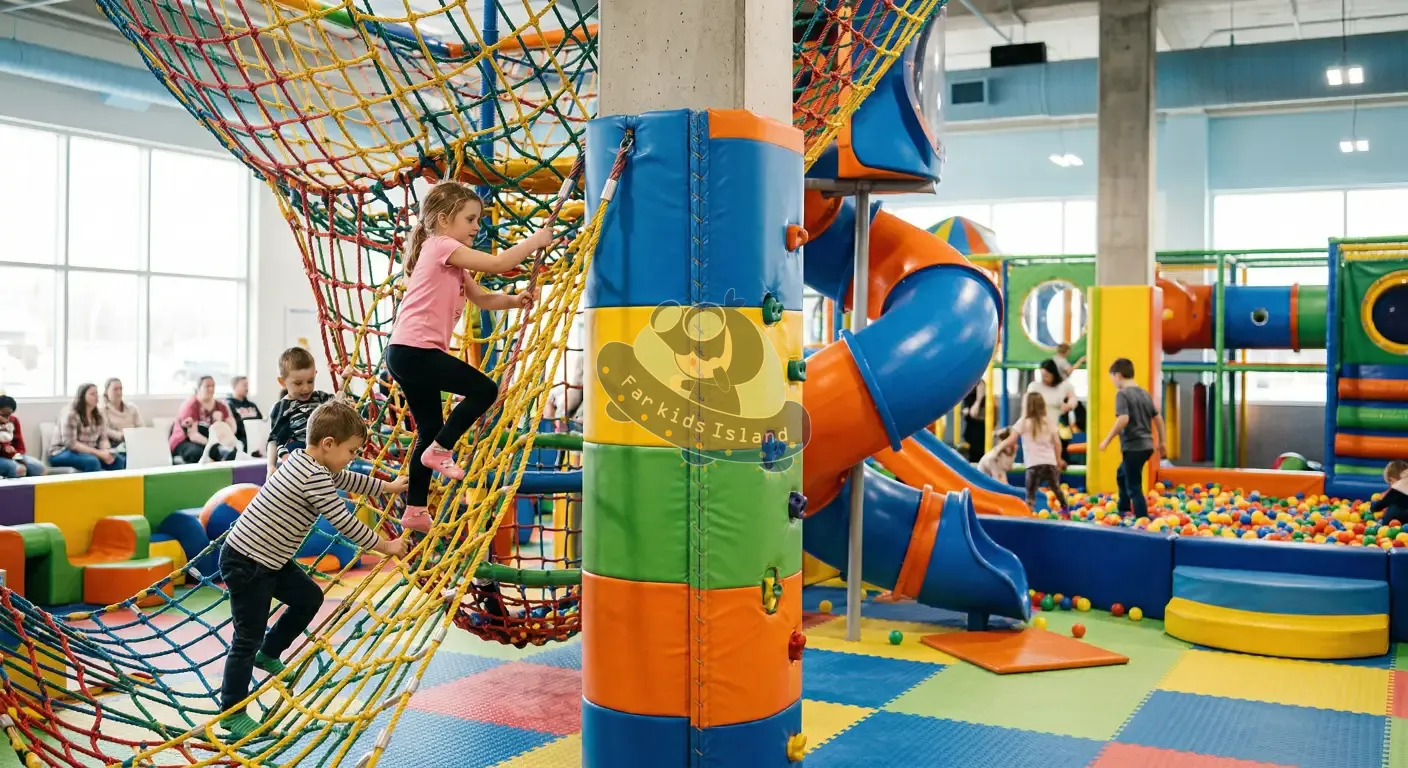
The Ultimate Guide to Selecting and Planning Commercial Indoor Playground Equipment

The Ultimate Comparison Guide: Choosing the Best Global Manufacturers for Custom Indoor Play Systems (2026)

Indoor Playground Equipment for Sale: The Ultimate 2026 Catalog [With Price Comparisons]
About Far Kids IsIand
Who is Far Kids Island?
Far Kids Island is a professional playground solution provider specializing in indoor playgrounds, soft play equipment, and customized play environments for commercial use worldwide.
What types of playground projects do you specialize in?
We focus on indoor playgrounds, family entertainment centers (FECs), schools & kindergartens, shopping malls, community spaces, and themed commercial play projects.
Do you offer customized playground designs?
Yes. Every project is customized based on space size, target age groups, budget, theme preference, and local safety regulations.
Do you have your own design and manufacturing teams?
Do you have your own design and manufacturing teams?
Which countries or markets do you serve?
Which countries or markets do you serve?
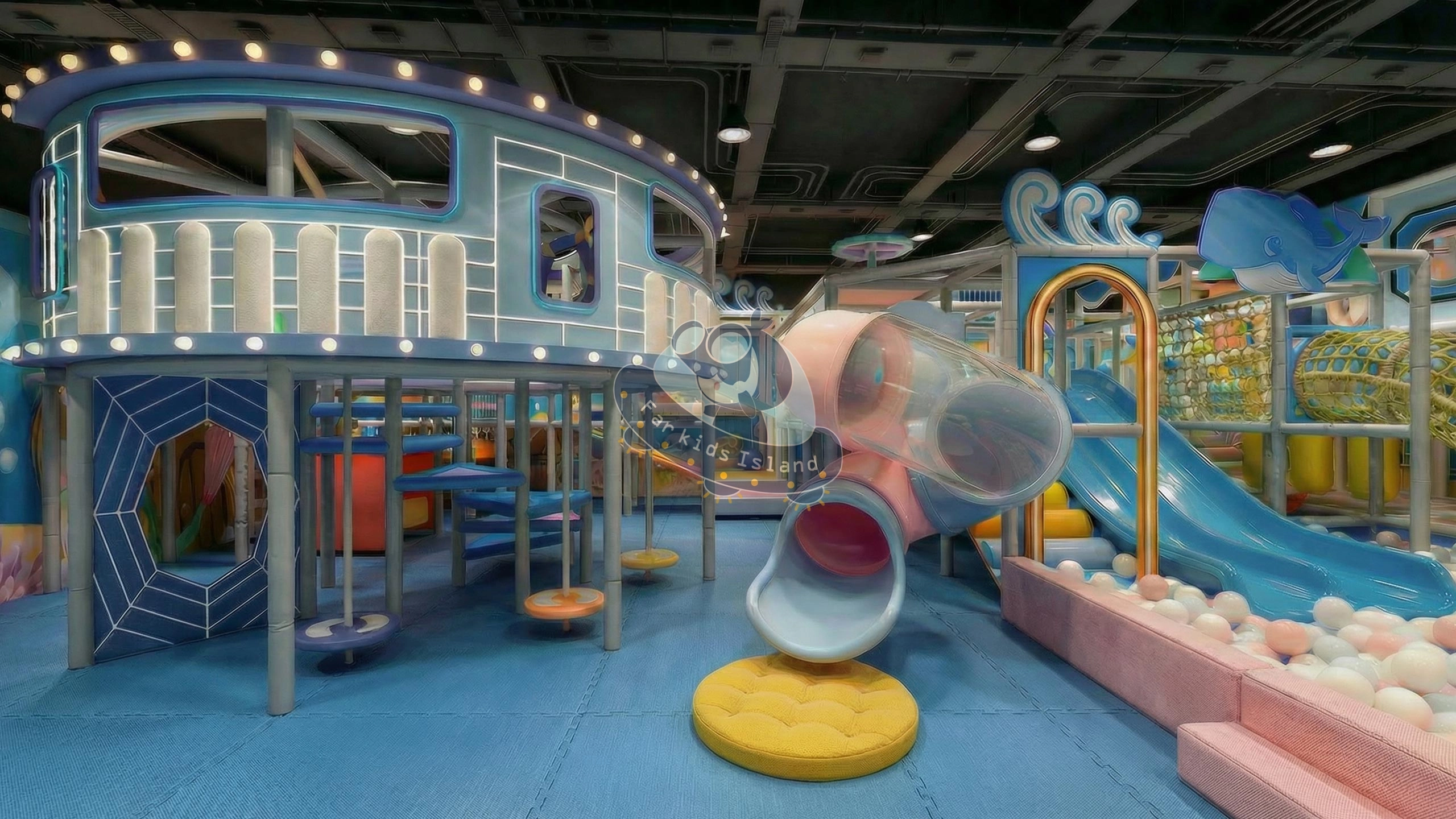
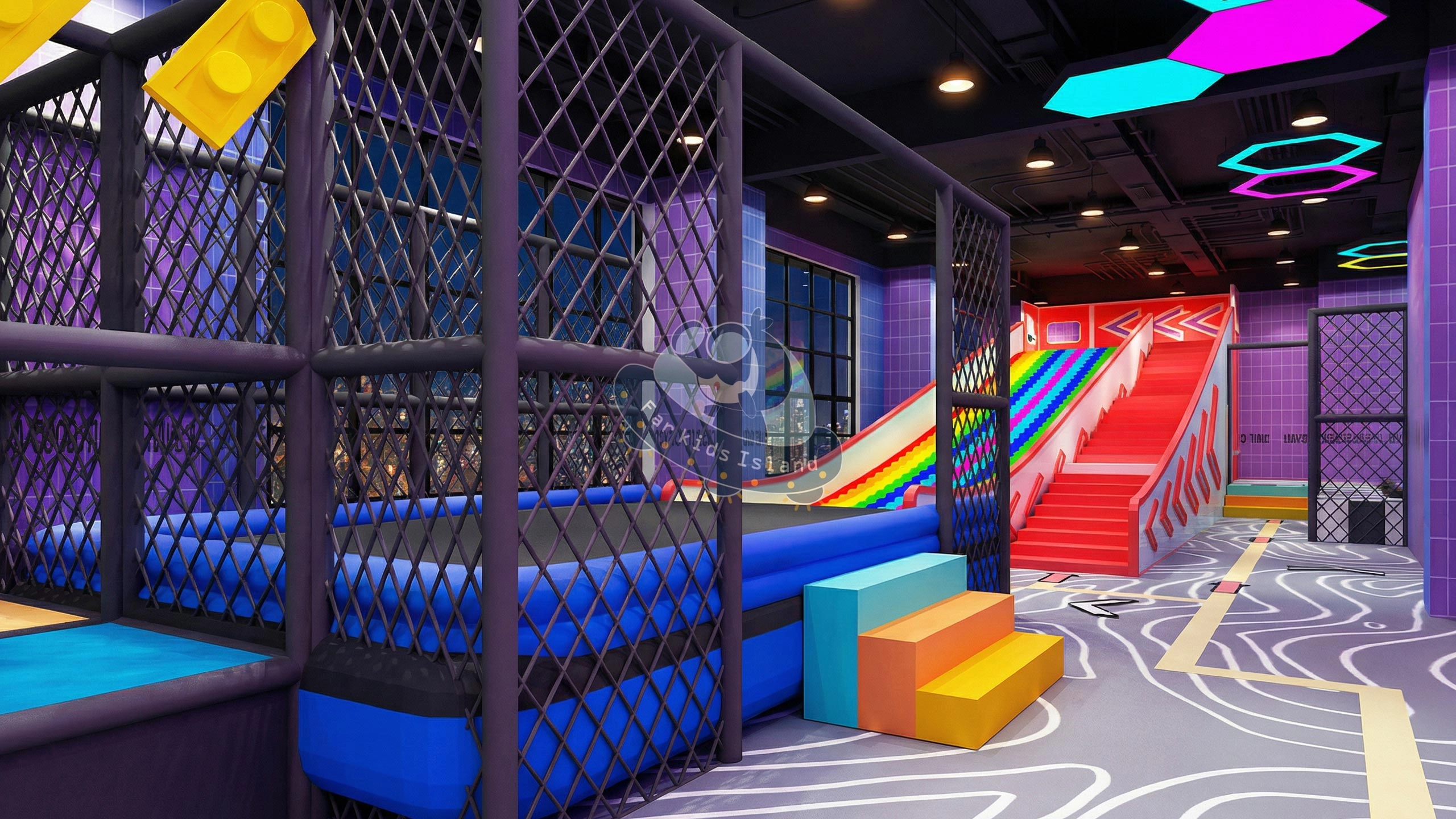
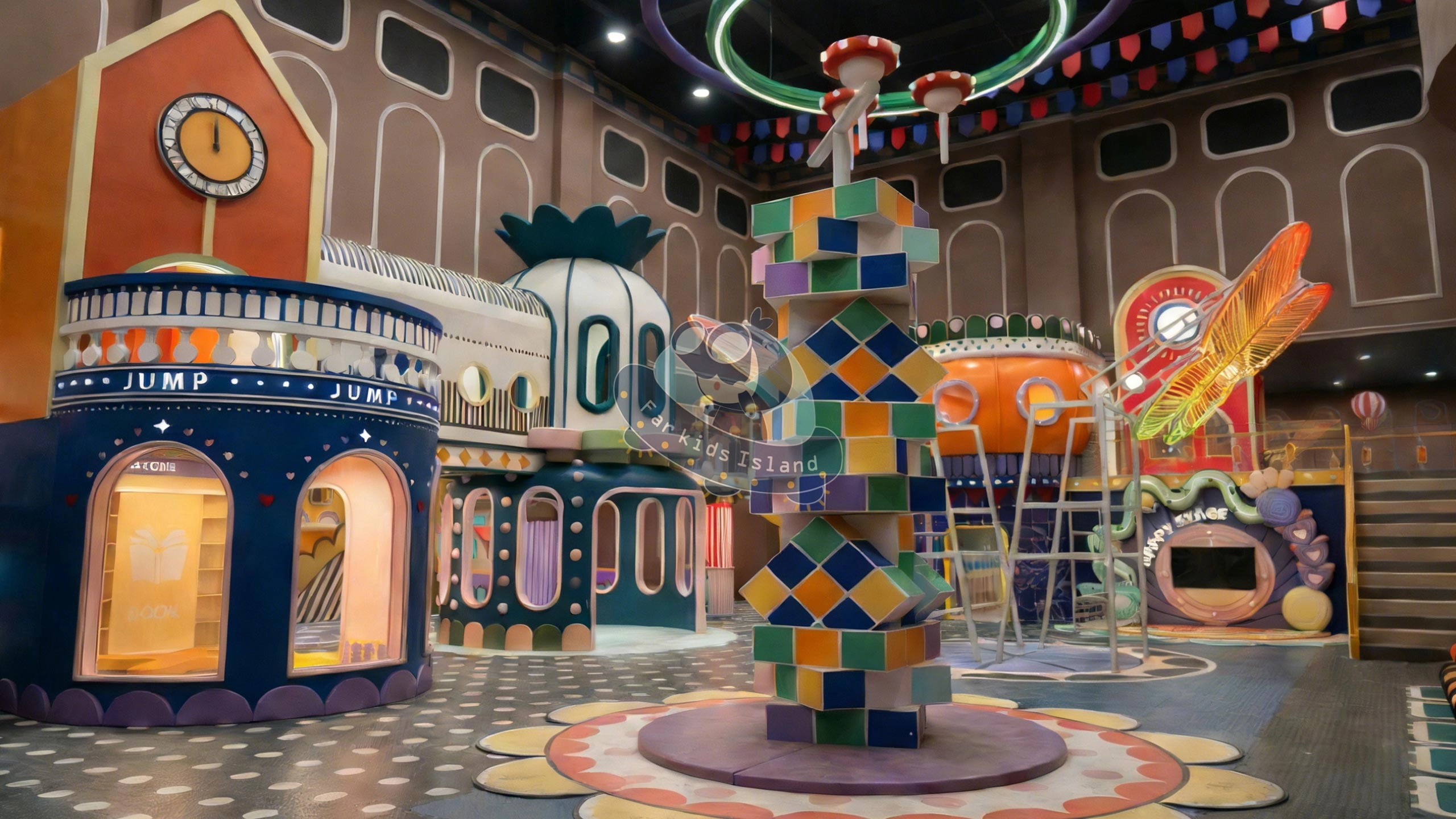
Top Project Picks for Your Next Success

Have Questions or Need More Information?
Ready to Dive Deeper into This Topic?
Explore Detailed Insights and Start Applying Knowledge to Your Project
We’re here to help! Fill out the form below to reach out to our team. Whether you have a question about the article or need assistance with your project, we’re happy to assist you.
Trusted Playground Solution Provider
Professional one-stop indoor playground solutions with a strong focus on design, safety, and eco-friendly materials.
Our Location
No. 106, No. 27, Jiejin 2nd Road, Shiqiao Street, Panyu District, Guangzhou, China.
Say Hello
Social Links
Whatsapp: +8613632109166
TongShuo Toys
sullaguo
tongshuoplay
TONGSHUO
tongshuo_toys