





indoor soft play equipment MOQ, Pricing and Bulk Order Terms
- How minimum order quantities and supplier pricing work
- MOQ is a commercial threshold, not a universal industry figure
- What drives the quoted price
- Build an apples-to-apples quotation comparison
- Bulk purchasing terms that protect project delivery
- Payment milestones, approvals, and change control
- Lead time, shipping, and site readiness
- Safety documentation, inspection, and acceptance
- Planning a scalable play project and supplier relationship
- Specify for operations, not only for opening day
- How our product scope can support procurement planning
- Procurement checklist before placing a bulk order
- Questions to resolve before issuing a purchase order
- Frequently Asked Questions
For buyers planning an indoor soft play project, minimum order quantity (MOQ), pricing, and bulk order terms depend on the design scope, customization level, materials, production capacity, shipping plan, and destination requirements. A useful quotation separates equipment, freight, installation, and optional services; defines what the MOQ applies to; and states payment milestones, lead time, inspection criteria, warranty terms, and remedies for delays or defects. Comparing these details—not just the headline price—helps operators, distributors, and investors control landed cost and reduce commissioning risk.
How minimum order quantities and supplier pricing work
MOQ is a commercial threshold, not a universal industry figure
There is no single MOQ that applies across the commercial play industry. A supplier may set a minimum based on a complete project, a particular product category, a production run, or a value threshold. A custom multi-level play structure may be quoted as one project, while replacement components or standardized accessories may have separate quantity requirements. The buyer should ask the supplier to state precisely what counts toward the MOQ and whether different product types can be combined.
MOQ can reflect setup and engineering effort as much as physical volume. Custom colorways, branded panels, bespoke layouts, and nonstandard dimensions may require additional drawings, material planning, sample approval, or fabrication setup. A lower-volume order can still be feasible, but its unit cost may be higher because fixed design and production costs are spread across fewer units. Buyers should request both the minimum viable order and a comparison at the anticipated expansion quantity.
For a single-site operator, a project-based quotation is often more relevant than a per-unit MOQ. For distributors and multi-site brands, the useful question is whether the supplier can consolidate several locations into one production plan while keeping site-specific drawings, packing lists, and delivery schedules distinct. Confirm whether staged releases are permitted and whether storage, rehandling, or later price adjustments apply.
What drives the quoted price
The total price reflects more than the play structure’s footprint. Key cost drivers include usable area, ceiling height, number of levels, user capacity, age-group separation, access points, soft-play features, theming, finish selections, and the amount of custom engineering. A design with rope elements, slides, ball-play features, climbing components, or interactive features may require different materials and fabrication steps from a simpler layout.
Material specifications also affect cost and service life. Ask for the composition and thickness of structural panels, foam, cover fabrics, netting, padding, fasteners, and flooring, as well as the cleaning and maintenance guidance for each. A price comparison is not meaningful if one offer specifies materials and another uses broad descriptions such as “commercial grade” without measurable details. Request a bill of materials or a sufficiently detailed equipment schedule to identify differences.
Commercial terms influence landed cost. Freight method, shipment volume, port handling, customs duties, local taxes, delivery access, unloading equipment, and final-mile transport can materially change the amount paid. Clarify whether the quotation is ex-works, delivered to a named port, or delivered to the site, and identify which party handles export packing, customs documentation, insurance, unloading, and local transportation.
Build an apples-to-apples quotation comparison
Use a common brief when requesting bids: floor plan, ceiling clearance, target capacity, age range, preferred activities, site location, delivery window, applicable safety requirements, and any brand or color specifications. Ask each supplier to price the same scope and list exclusions. If a supplier proposes a different layout or material, require the variation to be clearly identified rather than hidden in a total price.
| Quotation item | Budgetary quotation | Order-ready quotation | Buyer verification |
|---|---|---|---|
| Design scope | Indicative layout or concept | Approved drawings and equipment schedule | Confirm dimensions, clearances, capacity assumptions, and revision status |
| Price basis | Planning estimate with stated assumptions | Itemized price, currency, validity period, and exclusions | Compare matching scope and identify taxes, freight, and optional services |
| Production timing | Indicative lead time | Milestone schedule tied to approvals and payment | Confirm when the clock starts and how changes affect completion |
| Delivery and installation | May be excluded or estimated | Defined shipping basis, packing, site services, and responsibilities | Identify unloading, storage, installation labor, and travel costs |
| Quality and acceptance | General product description | Material schedule, inspection process, and acceptance criteria | Agree on records, defect reporting, replacement process, and warranty scope |
Bulk purchasing terms that protect project delivery
Payment milestones, approvals, and change control
Payment schedules vary by supplier and contract. Rather than assuming a standard deposit percentage, buyers should negotiate milestones that correspond to verifiable project progress. The agreement can define when design approval is complete, when production is authorized, what evidence supports a pre-shipment payment, and when the remaining balance becomes due. Any advance should be considered alongside the supplier’s documented business credentials, contract terms, and payment protections.
Drawings and specifications should be attached to, or clearly referenced by, the purchase agreement. Define how revisions are requested, who approves them, and whether a change affects price or delivery. Once production begins, even a small change to dimensions, colors, or component placement can require new materials or rework. A written change order helps prevent disagreement about whether a request was included in the original price.
Bulk pricing should also be examined for conditions. A volume discount may depend on one production run, a single shipment, a minimum value, or a fixed product mix. The contract should say whether the discount is retained when quantities change, deliveries are split, or a site is postponed. For multi-location rollouts, request a schedule showing the price and delivery terms for each release rather than relying on an informal promise of future availability.
Lead time, shipping, and site readiness
Ask suppliers to distinguish design time, approval time, manufacturing time, inspection, export packing, transit, customs clearance, and local delivery. Lead time can be affected by drawing revisions, component availability, seasonal factory workload, and delayed buyer approvals. A stated production duration is not the same as a guaranteed delivery date. Contract language should identify the trigger date, the assumptions behind the schedule, notice obligations, and the process for handling delay.
Bulk orders require a logistics plan that matches the site. Confirm package dimensions and weights, loading method, container or truck requirements, delivery access, receiving hours, temporary storage, and who is responsible for unloading. The project owner should coordinate the delivery window with flooring, electrical work, fire and life-safety reviews, and other construction trades. Equipment arriving before the site is dry, secure, and ready may create avoidable storage or damage costs.
Installation responsibilities need the same attention. Determine whether the price includes installation drawings, on-site assembly, supervision, travel, tools, waste removal, and post-installation checks. If the buyer uses a local contractor, obtain clear assembly instructions and confirm that the proposed installation method aligns with the supplier’s requirements and local inspection process.
Safety documentation, inspection, and acceptance
Safety and compliance should be discussed before design approval, not after shipment. Applicable requirements depend on the destination, facility type, intended users, and the specific products included. ASTM International publishes ASTM F1918, Standard Safety Performance Specification for Soft Contained Play Equipment; buyers should verify the current applicable edition and determine with local authorities or qualified professionals which requirements govern their project. A reference to a standard in a sales document is not, by itself, proof that a particular installation complies.
Quality management documentation can support supplier evaluation, but buyers should verify what a certificate covers and whether it applies to the manufacturing site and scope being purchased. The ISO 9001:2015 quality management systems standard specifies requirements for a quality management system; it does not certify that a particular play product is safe or suitable for a specific site. Request product-specific records, inspection evidence, material information, and clear warranty terms instead of treating a management-system certificate as a substitute for technical review.
Agree on acceptance criteria before production. These may include approved drawings, component identification, finish and color checks, packaging condition, completeness of shipment, and documented procedures for reporting discrepancies. Decide whether inspection occurs at the factory, on arrival, after installation, or at more than one stage. The contract should state how shortages, transit damage, nonconforming components, and concealed defects are reported and resolved.
Planning a scalable play project and supplier relationship
Specify for operations, not only for opening day
Purchase decisions should reflect the operating model. A family entertainment center may prioritize throughput, visibility, and age-zone separation, while a hospitality venue may need a compact layout that works around guest circulation. Operators should consider supervision points, cleaning access, replacement-part availability, maintenance routines, and how the layout handles peak periods. Design assumptions about capacity should be checked against the site plan and the facility’s operating policies rather than treated as a guaranteed attendance or revenue forecast.
Plan for the full lifecycle by requesting care instructions, recommended inspection routines, spare-part identification, and a process for ordering replacement covers, netting, padding, or other components. For a chain or distributor, standardized specifications can simplify procurement across sites, while controlled local adjustments accommodate differing floor plans and regulations. Documenting the approved configuration makes later expansion and maintenance easier to manage.
Buyers should also check accessibility and circulation with the project’s qualified design team. The U.S. Access Board’s ADA Standards resources explain accessibility requirements for covered facilities in the United States; applicability and project-specific obligations should be confirmed with the relevant professionals and authorities. The play structure itself is only one part of an accessible facility, so entrances, routes, service areas, and adjacent amenities may also require review.
How our product scope can support procurement planning
Our product scope includes indoor playground equipment and trampoline park equipment, allowing project owners to consider complementary attractions within a coordinated entertainment venue plan. The appropriate configuration depends on the site, user profile, local requirements, operating capacity, and approved budget. Buyers can use a single project brief to identify where a soft-play zone, trampoline area, or combined attraction is relevant, while keeping technical specifications and quotations distinct enough for a meaningful evaluation.
Our procurement approach is centered on clear scope definition: confirming the layout inputs, documenting requested features, identifying assumptions, and separating equipment pricing from delivery and installation responsibilities. This process gives buyers a practical basis for comparing proposals and identifying unanswered questions before a purchase order is issued. Where customization is requested, design revisions and their cost or schedule effects should be confirmed in writing before production authorization.
For bulk buyers, a useful supplier discussion covers MOQ by product or project, repeat-order pricing conditions, production capacity, staged shipment options, spare components, quality records, and after-sales responsibilities. Our indoor playground equipment and trampoline park equipment categories are relevant to operators, distributors, and investors assessing these project requirements. Final specifications, compliance obligations, and commercial terms should always be confirmed for the destination and site before commitment.
Procurement checklist before placing a bulk order
Questions to resolve before issuing a purchase order
A short pre-order review can prevent costly assumptions. Confirm the exact order quantity and how the supplier defines MOQ; identify every included component; approve drawings, colors, and materials; and reconcile the quotation with the intended delivery basis. Record the quotation’s currency and validity period, payment milestones, production start conditions, delivery schedule, warranty scope, and claims procedure. Any verbal clarification that affects price, scope, or timing should be added to the written agreement.
Check the project’s site readiness and approval path. Confirm the ceiling and floor conditions, access route, delivery and storage arrangements, installation responsibilities, inspection requirements, and local regulatory review. If multiple sites are included, maintain a separate schedule and specification record for each location. This makes it easier to track approvals and identify whether a change at one site affects the wider order.
Finally, compare the supplier’s proposed documentation with the project’s actual needs. A quotation should be sufficiently clear for the buyer’s technical, finance, operations, and construction stakeholders to review. Where an important item is excluded or uncertain, resolve it before the order is placed. This disciplined approach can reveal the true landed cost, make bulk discounts easier to assess, and reduce the risk of delays between shipment and opening.
Contact our team to discuss a project scope or review our indoor playground equipment and trampoline park equipment options for your planned venue.
Frequently Asked Questions
What is the typical MOQ for indoor soft play equipment?
There is no universal MOQ. A supplier may set a minimum by project, product category, production run, or order value. Custom engineering and setup requirements can affect the minimum, so buyers should ask what counts toward it and whether product types can be combined.
What factors have the biggest impact on indoor play equipment pricing?
Price is influenced by layout size and complexity, capacity, customization, materials, components, engineering, shipping, customs, installation, and site services. Buyers should compare itemized quotations with matching scope and clearly stated exclusions.
How can buyers compare bulk quotations fairly?
Provide each supplier with the same project brief and compare approved drawings, equipment schedules, materials, price basis, exclusions, lead-time assumptions, shipping responsibilities, inspection criteria, warranty terms, and change-control provisions.
What should a bulk order payment schedule include?
The agreement should define payment milestones, the conditions that trigger each payment, design approval and production authorization, evidence required before pre-shipment payment, and when the balance is due. Buyers should also document how changes affect payment and schedule.
Which safety standards apply to a commercial soft-play project?
Requirements depend on the destination, facility, intended users, and equipment. ASTM F1918 addresses soft contained play equipment in its scope, but buyers should confirm the current applicable edition and project requirements with local authorities or qualified professionals. A standards reference alone does not establish that a specific installation complies.
What details should be confirmed before shipment?
Confirm package dimensions and weights, packing lists, delivery basis, freight and customs responsibilities, insurance, unloading, delivery access, site readiness, inspection arrangements, and the process for reporting shortages or damage.
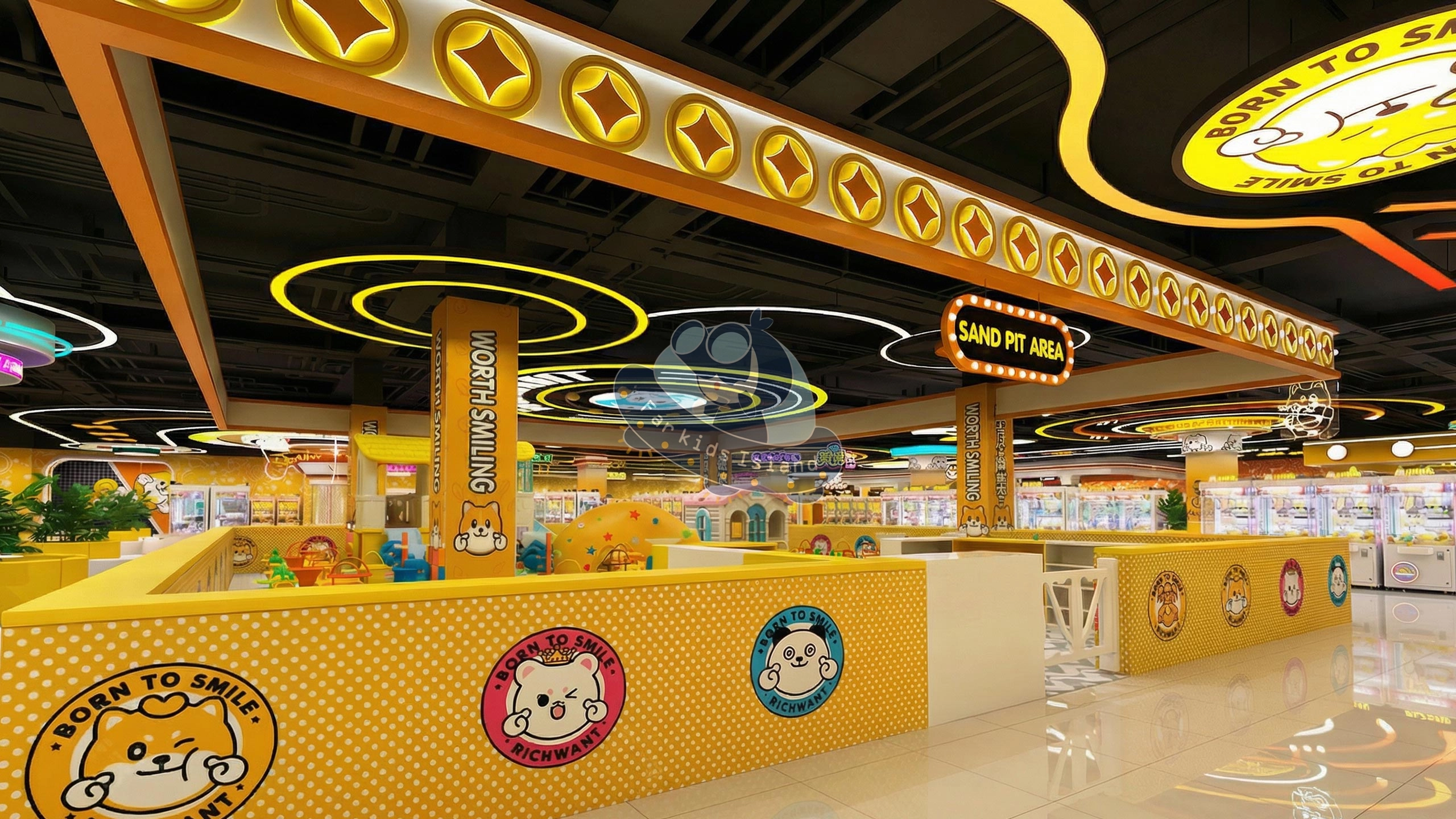
Far Kids Island Lamb Park Adventure — Commercial Indoor Playground Equipment for FECs
Customizing Commercial Indoor Playground Equipment Options
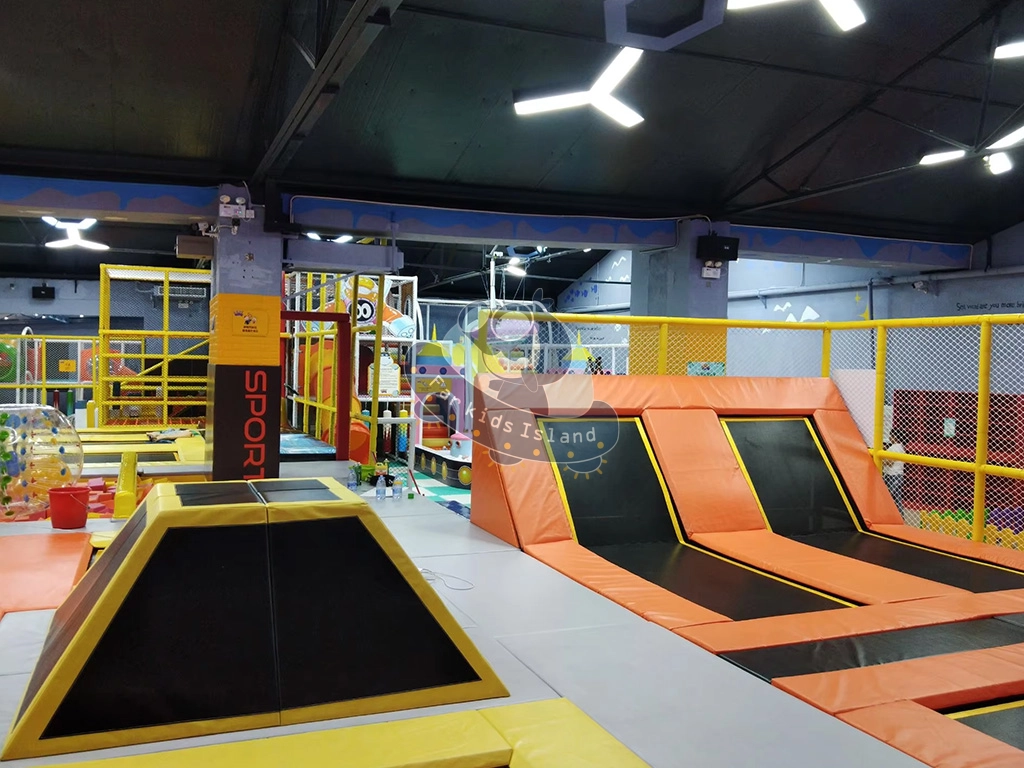
5000 sqm Trampoline Adventure Park: Layout, Attractions & Project Planning
Top 10 indoor playground equipment Manufacturers and Supplier Brands in China
Top Project Picks for Your Next Success


Have Questions or Need More Information?
Ready to Dive Deeper into This Topic?
Explore Detailed Insights and Start Applying Knowledge to Your Project
We’re here to help! Fill out the form below to reach out to our team. Whether you have a question about the article or need assistance with your project, we’re happy to assist you.
Trusted Playground Solution Provider
Professional one-stop indoor playground solutions with a strong focus on design, safety, and eco-friendly materials.
Our Location
No. 106, No. 27, Jiejin 2nd Road, Shiqiao Street, Panyu District, Guangzhou, China.
Say Hello
Social Links
Whatsapp: +8613632109166
Far kids island
Far kids island
Far kids island
TONGSHUO
Guo Wenshu