

Durable Materials and Energy Efficient Park Equipment
- Why material and energy decisions matter for trampoline parks
- Safety, uptime, and total cost of ownership
- Energy consumption is a major operating expense
- Standards and regulatory compliance
- Materials that perform: properties, trade-offs, and recommended uses
- Structural metals: frames and supports
- Jumping surfaces and webbing
- Padding, impact-attenuating surfacing, and foam pits
- Materials comparison table
- Energy-efficiency strategies specific to trampoline park facilities
- Lighting: move to high-efficiency LEDs with controls
- HVAC, ventilation, and indoor air quality (IAQ)
- Insulation, building envelope, and materials that help energy performance
- Design and maintenance best practices for longevity and efficiency
- Routine inspection protocols
- Spare-part inventory and modular design
- Training and operating procedures
- Material and energy choices in practice: comparative lifecycle snapshot
- Case comparison: two hypothetical trampoline park booths
- Interpretation
- Why Far Kids Island is a partner of choice for durable, energy-aware playgrounds
- Company credentials and manufacturing capability
- Materials, certifications, and market reach
- Typical products and services
- Practical checklist for operators selecting equipment
- Pre-purchase checklist
- Site and operational checklist
- Post-installation: monitoring and continuous improvement
- Frequently Asked Questions (FAQ)
- 1. What materials are best for commercial trampoline park equipment?
- 2. How can I reduce energy costs in an indoor trampoline park?
- 3. What safety standards should trampoline park equipment meet?
- 4. How often should I inspect trampoline park equipment?
- 5. Is it worth paying more for commercial-grade equipment?
- 6. Can sustainable materials also be cost-effective?
As someone who has advised dozens of family entertainment centers and indoor playground projects worldwide, I know the difference that smart material selection and energy-aware design make for trampoline park equipment. Durable materials reduce downtime, lower lifecycle costs, and — critically — improve safety and regulatory compliance. Energy-efficient systems cut operating expenses and support sustainability goals that many landlords and brand partners now require. In this article I walk through proven material choices, construction approaches, and energy strategies specifically tailored to trampoline parks and related indoor playground equipment.
Why material and energy decisions matter for trampoline parks
Safety, uptime, and total cost of ownership
Operators often focus on upfront purchase price of trampoline park equipment, but I always advise assessing total cost of ownership (TCO): purchase, installation, maintenance, downtime, and eventual replacement. A seemingly more expensive commercial-grade trampoline with heavy-gauge frame, hot-dip galvanized or stainless components, and UV-stable jumping surfaces typically lasts longer and needs fewer repairs than a low-cost alternative. That reliability translates into more open sessions, fewer incident reports, and lower insurance High Qualitys.
Energy consumption is a major operating expense
In indoor facilities, the largest ongoing energy consumers are HVAC (heating, ventilation, and air conditioning), lighting, and any mechanical equipment supporting attractions (e.g., air-handling for themed elements, dehumidifiers). Selecting materials with appropriate thermal mass, good insulation where applicable, and using energy-efficient equipment reduces monthly operating costs. The U.S. Department of Energy provides practical guidance on efficient lighting and HVAC measures that I routinely apply to trampoline parks (LED lighting, HVAC basics).
Standards and regulatory compliance
All material and design choices should align with recognized safety standards. For public playground equipment, ASTM F1487 is a commonly referenced standard in the United States, and EN 1176 applies in Europe. The U.S. Consumer Product Safety Commission offers advisory materials on playground safety that are helpful context for trampoline park operators (CPSC playground safety).
Materials that perform: properties, trade-offs, and recommended uses
Structural metals: frames and supports
I favor heavy-gauge steel for primary frames of trampoline park equipment. Key choices are between hot-dip galvanized steel, stainless steel, and powder-coated steel. Hot-dip galvanization offers excellent corrosion protection at competitive cost and is suitable for most indoor installations; stainless steel is ideal where long-term exposure to humidity or chlorinated environments (e.g., nearby pools) is likely. All exposed fasteners should be stainless or similarly corrosion-resistant.
Jumping surfaces and webbing
Commercial trampoline beds use UV-stabilized polypropylene or nylon weaves with reinforced hems and multiple attachment points. Look for UV additives and double stitching to minimize degradation. Springless or tension-based designs can reduce pinch and entrapment risks and simplify maintenance; however, they require precise engineering to maintain consistent rebound characteristics.
Padding, impact-attenuating surfacing, and foam pits
Padding around frames should use closed-cell polyethylene (PE) foam or commercial-grade EVA foam covered with flame-retardant, mildew-resistant PVC or polyurethane (PU) synthetic leather. For foam pits, commercial polyurethane foam blocks are standard; the cube density (often expressed kg/m3) and firmness levels must be chosen to attenuate impact while allowing easy block replacement. All surfacing should comply with local fire and chemical safety codes.
Materials comparison table
| Material | Typical Use | Durability | Maintenance | Relative Cost | Notes / Sources |
|---|---|---|---|---|---|
| Hot-dip galvanized steel | Frames, structural supports | High (corrosion-resistant) | Low (visual inspections, bolt checks) | Medium | Galvanization |
| Stainless steel (316/304) | High-humidity areas, fasteners | Very high | Low | High | Stainless steel |
| Commercial EVA / PE foam | Padding, mats, soft play surfacing | Medium–High (closed-cell resists water) | Medium (cleaning, replace covers) | Medium | EVA foam |
| UV-stabilized polypropylene/nylon | Jumping beds, netting | High (if UV-treated) | Medium (check stitching) | Medium | Industry standard for commercial trampolines |
| Commercial PU cover (PVC or PU leather) | Covering for padding | High (depending on grade) | Medium (cleaning, seam inspection) | Low–Medium | Flame-retardant grades available |
Energy-efficiency strategies specific to trampoline park facilities
Lighting: move to high-efficiency LEDs with controls
LED upgrades provide the fastest payback among building retrofits. I specify LEDs with high CRI for indoor play areas and integrate occupancy sensors in back-of-house and low-traffic zones. The U.S. DOE LED guidance is a practical resource for specifiers (DOE LED guidance).
HVAC, ventilation, and indoor air quality (IAQ)
Trampoline parks need robust ventilation because high-activity environments increase CO2 and humidity. Variable-speed drives (VSDs) on fans and demand-controlled ventilation reduce energy by matching airflow to occupancy. Heat recovery ventilators (HRVs) or energy recovery ventilators (ERVs) cut heating/cooling loads, especially in temperate climates.
Insulation, building envelope, and materials that help energy performance
Choosing surfacing and finish materials that do not create thermal bridges — for example, insulated cladding around mezzanines or choosing padding substrates that do not conduct heat quickly — contributes to occupant comfort and lowers HVAC runtime. Consider specifying materials with low embodied energy when possible and use life-cycle assessment approaches for major purchases (see LCA).
Design and maintenance best practices for longevity and efficiency
Routine inspection protocols
I recommend a tiered inspection plan: daily visual checks of high-wear elements (jump beds, padding seams, fasteners), weekly functional testing of netting and springs/tension systems, and quarterly structural inspections by a qualified technician. Keep digital logs to identify trends and preempt failures.
Spare-part inventory and modular design
Design equipment to be modular where possible. Modular trampoline beds, replaceable foam blocks, and snap-in padding reduce downtime. Maintain an inventory of critical spares: jumping surface sections, fasteners, foam panels, and covers. This approach minimizes service interruption and reduces long-term costs.
Training and operating procedures
Human factors influence both safety and energy use. Staff training on occupancy management, staged programming to avoid overcrowding, and HVAC setpoint strategies during off-peak hours (setbacks) all contribute to lower energy and better equipment longevity.
Material and energy choices in practice: comparative lifecycle snapshot
Case comparison: two hypothetical trampoline park booths
Below is a concise lifecycle snapshot comparing two booth designs: a low-cost baseline and a higher-spec commercial approach. The numbers are illustrative but reflect real TCO drivers I have observed across projects.
| Metric | Baseline (low-cost components) | Commercial-grade (recommended) |
|---|---|---|
| Initial equipment cost | 1.0x | 1.5x |
| Annual maintenance & repairs | 0.12x of initial | 0.05x of initial |
| Average downtime per year | 12 days | 3–5 days |
| Estimated lifecycle (years) | 6–8 | 12–15+ |
| Operational energy impact (HVAC/lighting share) | Higher due to poor envelope choices | Lower with LED & HVAC controls |
Interpretation
Although the commercial approach can cost 30–50% more upfront, the longer lifecycle, reduced downtime, and lower annual maintenance generally yield a lower TCO. When you add energy savings from LED lighting and smarter HVAC controls, payback can be achieved in 3–6 years depending on local energy costs.
Why Far Kids Island is a partner of choice for durable, energy-aware playgrounds
Company credentials and manufacturing capability
Drawing on my experience working alongside manufacturing partners, I value suppliers who offer end-to-end capability and proven quality control. Guangdong Tongshuo Industrial Co., Ltd., operating under the globally trusted brand Far Kids Island, fits that profile. Based in Guangzhou, China, the company was established in 2012 with manufacturing roots back to 1993. Today they operate a 20,000㎡ manufacturing facility with a team of over 200 professionals and 20+ senior design experts. Their integrated capability—R&D, custom 3D design, in-house production, and global sales—supports turnkey commercial projects.
Materials, certifications, and market reach
Far Kids Island emphasizes non-toxic, commercial-grade sustainable materials and lists compliance with ASTM and COC certifications. They supply indoor playground equipment and trampoline park equipment for schools, family entertainment centers (FECs), shopping malls, and resorts, and have exported solutions to clients in over 30 countries. This combination of factory capability, design expertise, and certification makes them a practical choice for operators focusing on durability and operational efficiency. Visit their website (Far Kids Island) or contact them via email: sulla.tongshuo@gmail.com for project inquiries.
Typical products and services
Far Kids Island provides a range of indoor playground equipment and trampoline park equipment, plus space planning, themed design, professional installation, and operational training—the kind of integrated service model I recommend to clients seeking predictable outcomes and faster time-to-revenue.
Practical checklist for operators selecting equipment
Pre-purchase checklist
- Request material datasheets and finish descriptions (galvanization, powder coat, foam densities).
- Confirm compliance with applicable safety standards (ASTM, EN 1176, CPSC guidance).
- Ask for life-cycle estimates and spare-part lists.
- Review warranty terms and service agreements.
Site and operational checklist
- Plan for LED lighting and HVAC controls during fit-out.
- Design circulation to reduce HVAC zones and enable setback strategies.
- Train staff on daily inspections and incident logging.
Post-installation: monitoring and continuous improvement
Collect energy and maintenance data from day one. A simple building management system (BMS) or even basic metering will let you quantify savings from LED retrofits or HVAC tuning and guide reinvestment decisions.
Frequently Asked Questions (FAQ)
1. What materials are best for commercial trampoline park equipment?
For frames, hot-dip galvanized steel or stainless steel for corrosive environments. Jump beds should be UV-stabilized polypropylene or nylon weaves. Padding should use closed-cell PE or commercial EVA foam with flame-retardant PU/PVC covers. These choices balance durability, safety, and maintenance.
2. How can I reduce energy costs in an indoor trampoline park?
Upgrade to LED lighting, use occupancy sensors and daylight controls where applicable, install variable-speed drives for ventilation fans, and consider energy recovery ventilation (ERV/HRV). Proper insulation and targeted HVAC zoning also reduce runtime and costs. The U.S. Department of Energy provides best practices for lighting and HVAC optimization (LED, HVAC).
3. What safety standards should trampoline park equipment meet?
Standards commonly referenced include ASTM standards for public playground equipment (e.g., ASTM F1487) and EN standards such as EN 1176 in Europe. The U.S. Consumer Product Safety Commission offers guidance on playground safety that can help inform policies and inspections (CPSC).
4. How often should I inspect trampoline park equipment?
Implement daily visual checks, weekly functional tests of moving/tensioned parts, and quarterly in-depth structural inspections. Maintain digital logs so patterns in wear or failure become visible early.
5. Is it worth paying more for commercial-grade equipment?
Yes—commercial-grade equipment typically reduces downtime, lowers annual maintenance cost, and extends operational life, producing a lower total cost of ownership over a 10–15 year horizon. Incorporating energy-efficient systems further improves payback time.
6. Can sustainable materials also be cost-effective?
Often yes. Materials with higher upfront embodied energy but longer lifetime and lower maintenance can be more sustainable on a lifecycle basis. Use life-cycle assessment (LCA) principles to evaluate major purchases (LCA).
If you want to evaluate specific designs, materials, or get a tailored quote for indoor playground equipment or trampoline park equipment, contact Far Kids Island. As a turnkey partner, they provide design, manufacturing, certification support, and global installation: https://www.farkidsisland.com or email sulla.tongshuo@gmail.com.
I’m available to review plans, perform material and energy audits, or help write specifications that balance safety, durability, and efficiency. Reach out and we’ll develop a pragmatic roadmap to optimize your trampoline park’s performance and lifespan.
Space Optimization: Designing Compact Trampoline Parks
Top 10 indoor playground equipment Manufacturers and Supplier Brands in China
Custom Trampoline Park Design and Layout Services
Maintenance Checklist for Trampoline Park Equipment
Question you may be concerned about
About Far Kids IsIand
Do you offer customized playground designs?
Yes. Every project is customized based on space size, target age groups, budget, theme preference, and local safety regulations.
Which countries or markets do you serve?
Which countries or markets do you serve?
What types of playground projects do you specialize in?
We focus on indoor playgrounds, family entertainment centers (FECs), schools & kindergartens, shopping malls, community spaces, and themed commercial play projects.
Do you have your own design and manufacturing teams?
Do you have your own design and manufacturing teams?
Who is Far Kids Island?
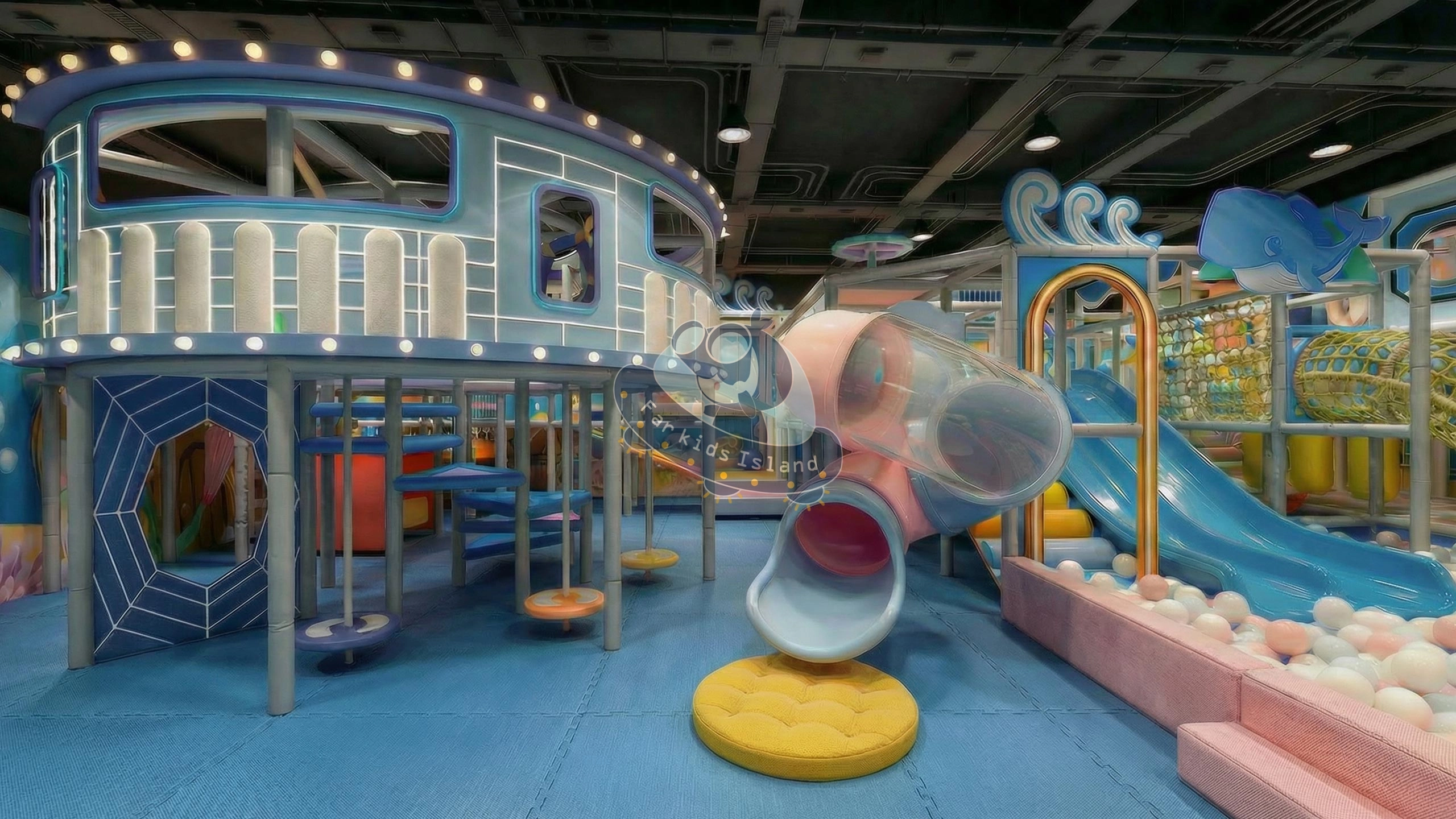
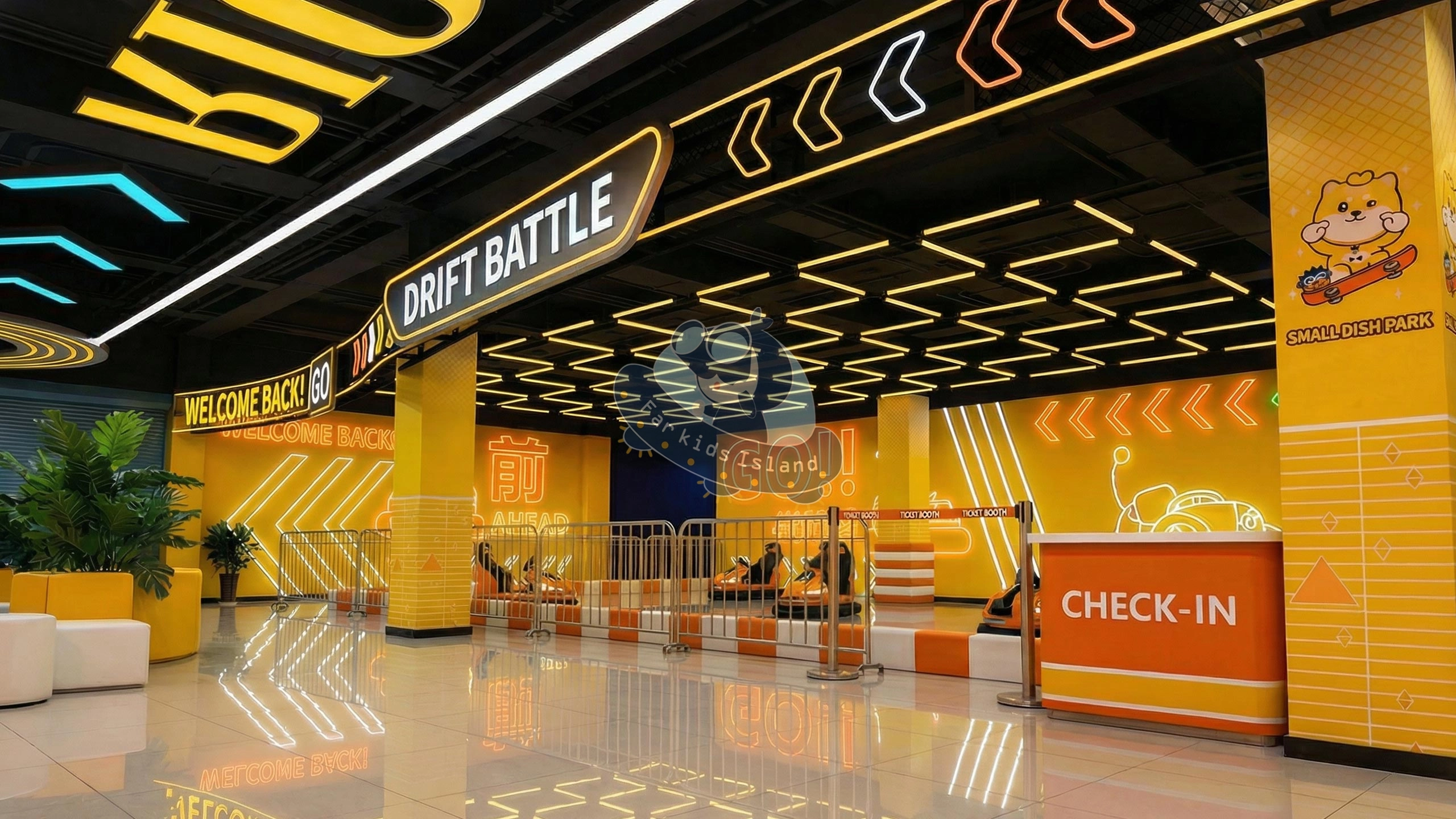
Far Kids Island is a professional playground solution provider specializing in indoor playgrounds, soft play equipment, and customized play environments for commercial use worldwide.
Top Project Picks for Your Next Success


Have Questions or Need More Information?
Ready to Dive Deeper into This Topic?
Explore Detailed Insights and Start Applying Knowledge to Your Project
We’re here to help! Fill out the form below to reach out to our team. Whether you have a question about the article or need assistance with your project, we’re happy to assist you.
Trusted Playground Solution Provider
Professional one-stop indoor playground solutions with a strong focus on design, safety, and eco-friendly materials.
Our Location
No. 106, No. 27, Jiejin 2nd Road, Shiqiao Street, Panyu District, Guangzhou, China.
Say Hello
Social Links
Whatsapp: +8613632109166
TongShuo Toys
sullaguo
tongshuoplay
TONGSHUO
tongshuo_toys